
Illustration Absmeier foto freepik ki
WhatsApp-Betrug breitet sich schneller aus denn je. Allein im Dezember 2025 verschickten Betrüger schätzungsweise 19,2 Milliarden Spam-Nachrichten, was Messenger-Dienste zu einem der effektivsten Werkzeuge für Online-Betrug macht.
Von falschen Gewinnen und Identitätsdiebstahl bis hin zu Investment- und Kontoübernahmebetrug ist WhatsApp zu einem bevorzugten Ziel für Cyberkriminelle geworden.
Viele dieser Nachrichten wirken auf den ersten Blick harmlos: eine freundliche Begrüßung, eine dringende Anfrage oder ein Angebot, das zu gut klingt, um wahr zu sein. In Wirklichkeit zielen sie darauf ab, Nutzer zur Weitergabe persönlicher Daten, Verifizierungscodes oder Geld zu bewegen.
Die häufigsten WhatsApp-Scams im Jahr 2026
- Zu den verbreitetsten Betrugsmaschen gehören:
- Identitätsbetrug, bei dem sich Angreifer als Freunde oder Familienmitglieder ausgeben
- Phishing-Links, die auf gefälschte Login-Seiten führen
- Verifizierungscode-Betrug, um Konten zu übernehmen
- Fake-Gewinnspiele, Jobangebote und Investmenttricks
- Romance-Scams, bei denen Vertrauen aufgebaut wird, bevor Geld gefordert wird
Viele dieser Betrugsversuche setzen gezielt auf Zeitdruck und Vertrautheit, um Misstrauen auszuschalten.
Warum diese Betrugsmaschen funktionieren
WhatsApp wirkt persönlich und vertrauenswürdig. Nachrichten landen direkt auf dem Smartphone und stammen oft von Nummern, die real oder bekannt erscheinen. Betrüger nutzen dieses Vertrauen — und den Druck, schnell zu reagieren — um Nutzer davon abzuhalten, Anfragen zu überprüfen.
Einschätzung von Panda Security
»WhatsApp-Betrug funktioniert, weil er persönlich und dringend wirkt«, erklärt Hervé Lambert, Global Consumer Operations Manager bei Panda Security. »Cyberkriminelle setzen gezielt auf Zeitdruck und Vertrautheit, damit Nutzer handeln, bevor sie nachdenken. Wer die gängigsten Betrugsmaschen kennt, hat 2026 einen entscheidenden Sicherheitsvorteil.«
Wie man einen WhatsApp-Betrug erkennt + Tipps zum Schutz
WhatsApp-Betrugsversuche wirken oft auf den ersten Blick harmlos: Eine normale Nachricht, ein vertrauter Ton. Doch die Warnzeichen zeigen sich meist im Detail.
So erkennt man einen WhatsApp-Betrug:
- Unerwartete Nachrichten: Betrüger verschicken Nachrichten massenhaft und hoffen, dass jemand antwortet.
- Dringlichkeit: Sie setzen dich unter Druck, damit du nicht nachdenkst oder prüfst, bevor du reagierst oder handelst.
- Code-Anfragen: Oft werden Verifizierungscodes genutzt, um Konten zu übernehmen.
- Verdächtige Links: Gefälschte Seiten und Downloads sind darauf ausgelegt, Daten zu stehlen oder Schadsoftware zu installieren.
- Zu-gut-um-wahr-zu-sein-Angebote: Große Belohnungen mit wenig Aufwand sollen dein Misstrauen senken.
- Ungeforderte Warnungen: Echte Dienste warnen dich nicht vor Problemen, die du nicht selbst ausgelöst hast.
- Plattformwechsel: Der Wechsel auf andere Chats hilft Betrügern, Meldungen zu vermeiden.
- Ungewöhnliche Zahlungsarten: Gutscheine und Kryptowährungen sind schwer nachzuverfolgen oder rückgängig zu machen.
So schützt man sich:
- Kontakte verifizieren: Wenn dir eine Nachricht seltsam vorkommt, verifiziere und bestätige sie über einen anderen Kanal, bevor du antwortest.
- Zwei-Faktor-Authentifizierung aktivieren: Das bietet eine zusätzliche Sicherheitsebene, selbst wenn dein Passwort kompromittiert wurde.
- Privatsphäre-Einstellungen aktualisieren: Überprüfe, wer dein Profil, deinen Status und »zuletzt online« sehen kann – besonders in den Android-Datenschutzeinstellungen.
- Informiere dich: Wer die gängigen Social-Media-Betrugsmaschen kennt, erkennt auch neue schneller.
- Verdächtige Aktivitäten melden: Blockiere und melde Betrugs-Accounts direkt in WhatsApp, um die weitere Verbreitung zu verhindern.
- Keine unbekannten Links anklicken: Schon ein Klick kann zu gefälschten Seiten oder Malware führen.
- Keine Zahlungen oder Wallet-Verknüpfungen: Betrüger drängen oft zu schnellen Überweisungen oder Wallet-Links, um sofort Geld zu stehlen – Rückbuchungen sind meist unmöglich.
Fazit
WhatsApp-Betrug wird nicht weniger — er entwickelt sich weiter. Informiert, skeptisch und sicherheitsbewusst zu bleiben, ist der beste Schutz vor Nachrichten, die auf Daten- oder Geldverlust abzielen.
Originaltext von Panda
Check out the 17 most common WhatsApp scams to watch out for and learn how to spot scam texts faster. We’ll also share some tips to help you avoid these scams.
- Impersonation Scams
Scammers create fake WhatsApp accounts posing as someone you know, such as a friend, family member or colleague. They then use these accounts to send messages requesting money or personal information, exploiting the trust between you and the impersonated individual. These messages may appear urgent or convincing, leading you to comply with the scammer’s demands.
Example: »Hey, it’s me, John. I’m in a tight spot and can’t access my bank app. Can you send $100? I’ll return it today. Please don’t call — I’m in a meeting.«
- Phishing Links
Phishing is one of the most common tactics used by scammers on WhatsApp. They send messages containing links that appear to be from reputable sources, such as banks, government agencies or well-known companies.
These links lead to fake websites designed to steal your login credentials, financial information or other sensitive data. Phishing links can also be disguised as legitimate messages from WhatsApp itself, prompting users to verify their accounts or download software updates.
Example: »WhatsApp Support: Your account is at risk due to a security breach. Verify your details now to avoid suspension: [fake link]«
- Verification Code Scams
Verification code scams are one of the sneakiest types of scams because they feel routine. You get a message saying a login or security code was sent to you by mistake, followed by a casual request to share it. The truth is that scammers are trying to get into your account.
That code is the final step. Once it’s shared, they can reset passwords, lock you out and act fast before you notice anything is wrong. Many of these arrive as friendly-sounding scam texts that don’t raise red flags at first glance.
Example: »Hi, I sent a verification code to your number by mistake. Can you please send it to me? I need it to log in.«
- Screen Mirroring Scams
Screen mirroring or fake support scams often start with calm, helpful-sounding spam text messages claiming there’s a small issue with your account or device. You’re asked to contact support or follow a few steps to fix it.
The scammer then walks you through enabling screen sharing or installing a remote access app, saying it’s needed to help you. Once they can see your screen, they can watch you log in, capture passwords and grab security codes. These text message scams work because they feel cooperative rather than threatening.
Example: »WhatsApp Support: We detected an issue with your account. Please share your screen so we can walk you through the fix.«
- Fake Promotions
In this type of phishing scam, fraudsters often send messages promising exclusive promotions, giveaways or discounts to lure you into clicking on links or providing personal information.
These messages may claim to offer prizes from well-known brands or retailers, but in reality, they lead to fake websites designed to collect your personal and financial details. Be cautious of unsolicited messages promising rewards or discounts, and always verify the legitimacy of the offer before taking any action.
Example: »Congrats! You’ve been selected for a free iPhone giveaway from Apple. Claim your prize here: [fake link]«
- Advance Fee Fraud
Advance fee fraud usually starts with spam text messages promising a large payout, prize, refund or financial opportunity that sounds just plausible enough to be tempting. To move things forward, the sender asks for a small upfront payment to cover processing, taxes or verification.
nce you send the money, the promised funds never arrive. The excuses drag on, or the scammer disappears completely. This scam works because the initial amount often feels low risk. But paying even once signals that you’re willing to engage, which can lead to repeat requests or follow-up scams.
And if you entered your credit card details to make that payment, the scammer now has your card information, which opens the door to unauthorized charges or resale on the dark web.
Example: »Congratulations! You’ve won a $5,000 reward. Pay the $25 processing fee here to release your prize: [fake link]«
- Tech Support Scams
Scammers pose as tech support representatives and contact you, claiming issues with your WhatsApp accounts or other social media accounts, such as Facebook Page or Instagram Business accounts, that may be linked to your WhatsApp account. They then request access to the user’s account or personal information under the guise of fixing the problem.
Example: »WhatsApp Support: Your account is showing security errors. Send your login code so we can secure it immediately.«
- Investment Scams
Investment scams on WhatsApp, including cryptocurrency scams, often begin with friendly messages that feel more like advice than a pitch. You might hear about a sure return plan, a new crypto coin or a private investing group with impressive returns. Screenshots of profits, success stories and calm reassurance do the heavy lifting.
Once you send money or connect your wallet, the updates slow down, the rules change or withdrawals suddenly require extra fees. The profits look great on-screen, but your balance never actually comes back to you. These scams work because they play the long game. Conversations feel personal, patient and low-pressure — right up until real money is involved.
Example: »I’ve been earning great returns from this new crypto platform. Want me to help you set it up? You can start with just $100.«
- Romance Scams
In romance scams, fraudsters build romantic relationships with you on dating apps such as Tinder. They then gradually move to WhatsApp, gaining your trust over time.
Once trust is established, the scammer requests money for fabricated reasons like medical emergencies or travel expenses. This is why keeping an eye out for catphishing, especially in the online dating world, is important to avoid WhatsApp scams originating from dating apps.
Example: »I hate to ask, but I’m stuck with a medical bill and can’t cover the last $600. Can you help? I’ll pay you back as soon as I can.«
- Identity Theft
Scammers use WhatsApp to lure you into sharing personal information such as login credentials, bank account details or your Social Security number. This information is then used for identity theft, which can lead to financial loss or other forms of fraud.
These scams often feel routine and harmless. Messages may look like standard security checks, account updates or verification requests you’ve seen before. Once personal details are shared, scammers can move quietly behind the scenes, opening accounts, changing passwords or selling the data to others.
Example: »Google Support: Your Gmail account needs verification. Reply with your full name and recovery code to keep your account active.«
- Lottery Scams
Lottery scams show up on WhatsApp as unexpected good news. You’re told you’ve won a prize, a cash reward or an international lottery you don’t remember entering.
The message often sounds polite and official, with just one small catch: You need to pay a fee or share details to claim the winnings. Once you respond, the requests keep coming, but the prize never does.
Example: »Congrats! Your number was selected for a $10,000 lottery reward. Confirm your full name and address to process your payout.«
- Charity Scams
Charity scams take advantage of generosity, especially during crises, holidays or breaking news events. Messages may claim to represent a real cause and urge you to donate quickly to help someone in need.
The story feels emotional and time-sensitive, which makes it easier to act without checking. The money goes straight to the scammer, not to any real organization.
Example: »We’re raising emergency funds for tornado victims in Texas. Any amount helps. Donate now at this link to support families in crisis: [fake link]«
- Fake News and Hoaxes
Scammers may use WhatsApp to spread false information for various purposes, including political manipulation or financial gain. They could message you with a fake news article that is simply clickbait. And the link they share may lead you to a malicious website that asks for money to view certain classified or exclusive information.
Example: »BREAKING: Actor Chris Evans found dead — official details leaked. Read the full report here: [fake link]«
- WhatsApp Gold Scam
The WhatsApp Gold scam promises access to a premium or upgraded version of WhatsApp with extra features. The message usually claims the invite is limited and shared only with select users, which adds a little buzz and a lot of pressure to click.
Once you tap the link, you’re pushed to download an app or share it with others. Best case, it’s junk. Worst case, it installs malware or hands over access to your account. WhatsApp Gold isn’t real, but the risk is.
Example: »Hey there! Have you heard about WhatsApp Gold? It’s the exclusive new version with amazing features like video calling and enhanced security. Just click this link to upgrade now and enjoy all the benefits.«
- Fake Job Offers
Fake job offers on WhatsApp often sound friendly, direct and oddly convenient. You might be contacted about a role you never applied for, with high pay, flexible hours and fast onboarding.
After a few messages, the catch appears: a small fee for training, background checks or starter materials. Once you send payment, the job vanishes — and so does the recruiter.
Example: »We reviewed your profile and think you’re perfect for a $90,000 remote position. To start onboarding, pay the $50 training fee here: [fake link]«
- Fake WhatsApp Voicemail
Not all WhatsApp scams happen via text message. Scammers also use fake voicemail messages on WhatsApp to pretend to be someone you trust, like a friend or a bank. They might say there’s an urgent issue and ask for your personal information.
Example: »Voicemail from Bank of America: We detected unusual activity. Call us back at this number or verify your account here: [fake link]«
- Scam Voice Calls
Scammers may try to initiate voice calls on WhatsApp to deceive users. This is a kind of phishing — voice phishing (vishing). They often use techniques like impersonating someone you know or claiming to represent a legitimate organization.
During the call, they may attempt to extract sensitive information or persuade you to take certain actions, such as sharing personal data or clicking on malicious links.
Example: »Hi, this is Chase Bank security. We need to verify your account immediately. Can you confirm your card number and PIN?«
How to Spot a WhatsApp Scam + Protection Tips
WhatsApp scams often look harmless at first. A normal message. A familiar tone. But the warning signs usually show up in the details.
Here are some ways to spot a WhatsApp scam:
- Unexpected messages: Scammers send messages in bulk and hope someone responds.
- Urgency: They use pressure to stop you from thinking or checking before responding or taking action.
- Code requests: They often use verification codes to take over accounts.
- Suspicious links: Fake pages and downloads are built to steal data or install malware.
- Too-good-to-be-true offers: Big rewards with little effort are meant to lower skepticism.
- Untriggered alerts: Real services don’t warn you about issues you didn’t start.
- Platform switching: Moving chats helps scammers avoid reports.
- Unusual payments: Gift cards and crypto are hard to trace or reverse.
How to Protect Yourself
A few simple habits can shut down most scams before they go anywhere. Here’s what you can do to prevent WhatsApp scams:
- Verify contacts: If a message seems off, confirm it through another channel before responding.
- Enable two-factor authentication: This adds a second layer of protection even if your password is compromised.
- Update privacy settings: Review who can see your profile, status and last seen, especially within your Android privacy settings.
- Educate yourself: Staying aware of common social media scams makes it easier to spot new ones.
- Report suspicious activity: Block and report scam accounts directly in WhatsApp to limit further spread.
- Avoid clicking unknown links: Even one tap can lead to fake sites or malware downloads.
- Never send payments or connect your crypto wallet: Scammers often push quick transfers or wallet links to steal funds instantly, with no way to reverse the transaction.
https://www.pandasecurity.com/en/mediacenter/whatsapp-scams/
563 Artikel zu „WhatsApp“
News | IT-Security | Kommunikation | Tipps
WhatsApp-Hack: 3,5 Milliarden Konten auslesbar – warum Ihre Mobil-Telefonnummer ein echtes Risiko ist

Milliarden Menschen nutzen WhatsApp täglich – oft mit dem Gefühl, in einem geschützten, privaten Raum zu kommunizieren. Doch was, wenn dieser Raum in Wahrheit erstaunlich transparent ist? Und was, wenn ausgerechnet die Mobiltelefonnummer, die WhatsApp als Fundament nutzt, zur größten Schwachstelle wird? Ein beunruhigender Sicherheitsfund der Universität Wien erschütterte letztes Jahr das Vertrauen in…
News | IT-Security | Tipps
Finanzieller Schaden durch Vatertagsgrüße – Vorsicht vor Fake-WhatsApp und Fake-SMS

Am 29. Mai ist Vatertag – für viele Kinder einen willkommenen Anlass, ihrem Vater eine kleine Freude zu machen. Ob mit einem humorvollen Spruch, einem Bild aus der Kindheit oder einer persönlichen WhatsApp-Nachricht – die Botschaft zählt: »Ich denk an dich, Papa!« Wenn Väter an diesem Tag auf ihr Handy blicken, sind solche Nachrichten oft ein…
News | Digitalisierung | Geschäftsprozesse | Services
zendesk WhatsApp

Der Kundensupport und Kundenkontakt spielen im Online-Bereich eine immer wichtiger werdende Rolle. Moderne Self-Service- und Kundenservice-Supportfunktionen bietet die vielseitige Zendesk-Plattform. Mit der Plattform ist es möglich, mit den Kunden des Unternehmens per Telefon, Chat, E-Mail, Social Media in Kontakt zu treten. Wie funktioniert aber die Zendesk-Plattform und welche Vorteile bietet die Zendesk WhatsApp-Integration. Die…
News | Kommunikation | Marketing
WhatsApp als Marketingkanal – Top oder Flop?

Dort kommunizieren, wo die Verbraucher bereits sind, gilt seit jeher als eines der wichtigsten Erfolgsrezepte im Marketing. Und doch bleibt oft vielerorts ein Kanal außen vor, der allein in Deutschland Millionen von Nutzer hat und als der beliebteste Online-Kommunikationsdienst gilt: WhatsApp. Genau das wird sich dank einiger neuer Business-Funktionen jetzt jedoch ändern, glaubt Maximilian Modl,…
News | Marketing | Tipps
Marketing via WhatsApp: Mit diesen Tipps bleiben Sie datenschutzkonform
Am 28. Januar stand im Rahmen des Europäischen Datenschutztags die Sicherheit und Privatsphäre Ihrer Kunden wieder im Rampenlicht – ein perfekter Anlass, um tiefer in die Kundenkommunikation über WhatsApp einzusteigen. Die Anwendung ist mittlerweile zu einem wichtigen Kommunikationskanal für Marketing-Kampagnen avanciert. Das überrascht nicht, schließlich ist WhatsApp der beliebteste Instant Messenger, über den sich…
News | IT-Security | Kommunikation | Trends 2023
IT-Security-Trends 2023: Slack, Teams, Elements, WhatsApp & Co. im Aufschwung – und was ist mit der E-Mail?

Schon seit über 50 Jahren gibt es die E-Mail. Seitdem hat sie sich vor allem als praktisches Kommunikationsmittel im Business-Alltag bewährt. »Mal eben« eine Nachricht an Kollegen, Partner oder Kunden schicken – das ist via E-Mail innerhalb kürzester Zeit möglich. Auch wichtige Dokumente lassen sich auf diese Weise einfach übertragen und teilen. Doch wird dies…
News | Kommentar
Datenkrake WhatsApp für Home Schooling und Home Office?

Jens Weller fordert Integration von Messenger-Diensten in das Telekommunikationsgesetz. WhatsApp oder der Facebook Messenger sind die am weitesten verbreiteten Nachrichten-Tools für private Kommunikation. Die Dienste sind jedoch nicht für die Nutzung im Home Schooling oder Home Office geeignet, warnt Jens Weller, Geschäftsführer des Telekommunikations-Anbieters Toplink: »Facebook plant weiterhin, den Messaging-Dienst WhatsApp und Facebook Messenger sowie…
News | Kommunikation | Services
Social Media: YouTube vor WhatsApp
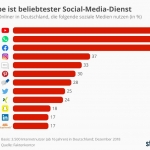
YouTube ist der beliebteste Social-Media-Dienst in Deutschland. Das ist ein Ergebnis des aktuellen Social-Media-Atlas der Hamburger Kommunikationsberatung Faktenkontor. Auf Platz zwei folgt WhatsApp das von 71 Prozent der 3.500 befragten Onliner genutzt wird. Erst auf Platz drei folgt mit 69 Prozent Facebook. Ein deutsches Unternehmen findet sich erst auf dem neunten Platz. Der Nutzeranteil von…
News | Business Process Management | Trends Kommunikation | IT-Security | Kommunikation | Trends 2019 | Services | Strategien
DSGVO: WhatsApp am Arbeitsplatz prominenter denn je – trotz hoher Aufwände
Seit dem 25. Mai 2018 ist die DSGVO jetzt in Kraft. Dem datenschutzrechtlich äußerst problematischen Einsatz von WhatsApp am Arbeitsplatz tut das aber keinen Abbruch – obwohl die Unternehmen viel Aufwand in die DSGVO stecken. Zu diesen Ergebnissen kommt eine aktuelle Studie der Brabbler AG. Nach 2018 hat der Spezialist für vertrauliche digitale Kommunikation Brabbler…
News | IT-Security | Services | Tipps
Woran uns der Whatsapp-Hack erinnert: Internetsicherheit ist Einstellungssache

Nur selten bekommt der gemeine Nutzer oder die Öffentlichkeit mit, wenn ein raffinierter Schädling sich verbreitet oder eine neue Sicherheitslücke aus der üblichen Masse heraussticht und ausgenutzt wird. Dankbar haben die Medien vorige Woche den Whatsapp-Hack aufgegriffen: Es wurde bekannt, dass sich über eine Sicherheitslücke bei dem Messenger-Dienst Schadsoftware auf dem Smartphone installieren lässt. Die…
News | Business | IT-Security | Kommunikation | Services | Tipps
WhatsApp, Cloud-Dienste, Business-Apps & Co: Auch die interne Unternehmenskommunikation muss DSGVO-konform sein

In fünf Wochen gilt die EU-Datenschutz-Grundverordnung (EU-DSGVO) verbindlich für jedes europäische Unternehmen. Bis zum Stichtag am 25. Mai gibt es noch viel zu tun: »Es genügt allerdings nicht, nur die Kommunikation mit Kunden oder die Website abzusichern. Auch die interne Unternehmenskommunikation muss DSGVO-konform gestaltet werden«, mahnt Christian Heutger, IT-Sicherheitsexperte und Geschäftsführer der PSW GROUP (www.psw-group.de).…
News | Business | Business Process Management | Digitalisierung | Geschäftsprozesse | Kommunikation | Services
Reality Check: Rechnungen statt Smileys, können wir bald per WhatsApp bezahlen?

Der Messenger WhatsApp ist mittlerweile fest in den Alltag vieler Deutscher integriert. Die Frage, wer für das Abendessen einkauft, klären viele Familien heute in einer WhatsApp-Gruppe. Anstatt einer Postkarte aus dem Urlaub, gibt es Fotos über die Nachrichten-App. Und Telefonieren und Video-Chats führen kann man über die Anwendung schon seit längerem. Jetzt stellt sich folgende…
News | Digitalisierung | Trends Kommunikation | Kommunikation | Trends 2017
Messenger: WhatsApp in Zahlen

19 Milliarden US-Dollar kostete Facebook 2014 die Übernahme von WhatsApp. Verdient hat das Unternehmen mit dem Messenger noch nichts – die App ist bislang kostenlos und werbefrei. Momentan verdichten sich indes die Hinweise darauf, dass Facebook das finanzielle Potenzial von WhatsApp nicht länger brachliegen lassen will. Laut Medienberichten werden in den kommenden Wochen Business-Funktionen live…
News | Business | Business Process Management | Digitalisierung | Trends Kommunikation | Trends Mobile | Trends Services | Kommunikation | Trends 2017 | Marketing | Services
Studie zeigt: WhatsApp ist in der Unternehmenskommunikation längst überfällig

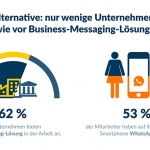
Fast 70 Prozent der Deutschen nutzen die Nachrichten-App WhatsApp für die alltägliche Kommunikation. Eine Businessversion des Messenger-Diensts befindet sich schon im Testlauf, trotzdem wird das Potenzial von WhatsApp als Kommunikationskanal von Unternehmen kaum genutzt. Dabei ist immerhin jeder Fünfte in der Gesamtbevölkerung der Meinung, dass WhatsApp und Chats mit Unternehmen schon längst überfällig sind. Jeder…
News | Digitalisierung | Trends Kommunikation | IT-Security | Trends 2016 | Kommunikation | Marketing | Services
Sieben von zehn User beklagen Intransparenz von Google, Whatsapp oder Apple
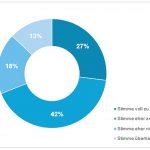
Nur wenige Nutzer wollen auf digitale Dienste verzichten. Google, Whatsapp oder Apple – digitale Marken und Dienste sind aus dem Leben vieler Menschen kaum wegzudenken – allerdings machen sich immer mehr Nutzer Sorgen um den Schutz ihrer Privatsphäre und die Intransparenz der Anbieter. So haben sieben von zehn Deutschen die Befürchtung, dass die genannten Internetkonzerne…
News | Trends 2026 | Trends Security | Trends Infrastruktur | Trends Kommunikation | Infrastruktur | Kommunikation
Moderne Security benötigt ein zukunftsfähiges Netzwerk-Fundament

Unternehmen treiben die Einführung von Zero Trust und SASE konsequent voran. Dabei stützen sie sich jedoch noch vielfach auf Netzwerkarchitekturen, die nicht für eine hybride Arbeitsweise und Cloud-Infrastrukturen konzipiert wurden. Das ist das zentrale Ergebnis einer aktuellen Umfrage von Open Systems. Die Befragung von 206 IT- und Security-Verantwortlichen in der DACH-Region belegt, dass durch…
News | Trends 2026 | Digitalisierung | Trends Kommunikation | Kommunikation | Künstliche Intelligenz
Kundenkommunikation 2026: Radikale Hinwendung zum mehrstufigen Dialog
Diese fünf Trends definieren die Customer Experience neu. Die Art und Weise, wie Unternehmen mit ihren Kunden interagieren, ändert sich gerade radikal. Neue Technologien ziehen sich durch alle Geschäftsprozesse – vom Marketing über den Kundenservice bis hin zum Rechnungs- und Mahnwesen. Quadient, Spezialist für Automatisierungslösungen, hat aus Studien und aktuellen Projekterfahrungen fünf Trends für…
News | Trends 2026 | Business | Business Process Management | Trends Kommunikation | Trends Services | New Work | Services | Whitepaper
Recruiting-Trends 2026: Worauf sich HR jetzt einstellen muss

Die Personalgewinnung sowie Human Resources stehen vor einem Paradigmenwechsel. Offene Stellen bleiben länger unbesetzt, während Bewerbende transparente Prozesse, schnelle Rückmeldungen und flexible Arbeitsmodelle erwarten. Die größte Herausforderung besteht darin, Recruiting-Prozesse zu digitalisieren und zu modernisieren, ohne die Menschlichkeit zu vernachlässigen. Fünf zentrale Trends zeigen, wo künftig Handlungsbedarf besteht. Flexibilisierung und Remote Work – Moderne…
News | Business | Business Process Management | Geschäftsprozesse | Strategien | Ausgabe 11-12-2025
Vom Dokument zum Datenfluss – Informationsmanagement neu denken

Viele Unternehmen wissen gar nicht, was ihre Dokumentenprozesse kosten. Wo analoge und digitale Abläufe nebeneinander existieren, verlieren sich Verantwortlichkeiten, Standards und Kennzahlen. Wie groß die Lücke zwischen technischer Digitalisierung und strategischem Informationsmanagement ist, zeigt eine Umfrage von MSM Research und SPS. Sie untersucht, wo Unternehmen in Deutschland und der Schweiz heute stehen – und welche Weichen sie stellen müssen, um brachliegende Potenziale für Effizienzsteigerung, »Speed« und Kundenzufriedenheit zu nutzen.
News | Business | Trends 2025 | Digitalisierung | Favoriten der Redaktion | Infografiken | Kommunikation | Künstliche Intelligenz | Tipps
Einsamkeit als neue Seuche: Kann KI helfen?

Die zunehmende Nutzung von KI-Chatbots als emotionale Unterstützung verschärft das Problem der Einsamkeit, da sie reale menschliche Beziehungen oft ersetzen, anstatt sie zu fördern. Studien zeigen, dass besonders junge Menschen digitale Kontakte als Ersatz für echte Begegnungen sehen, obwohl nur wenige diese als gleichwertig empfinden; dies kann langfristig negative Auswirkungen auf das Gemeinschaftsgefühl und die…